




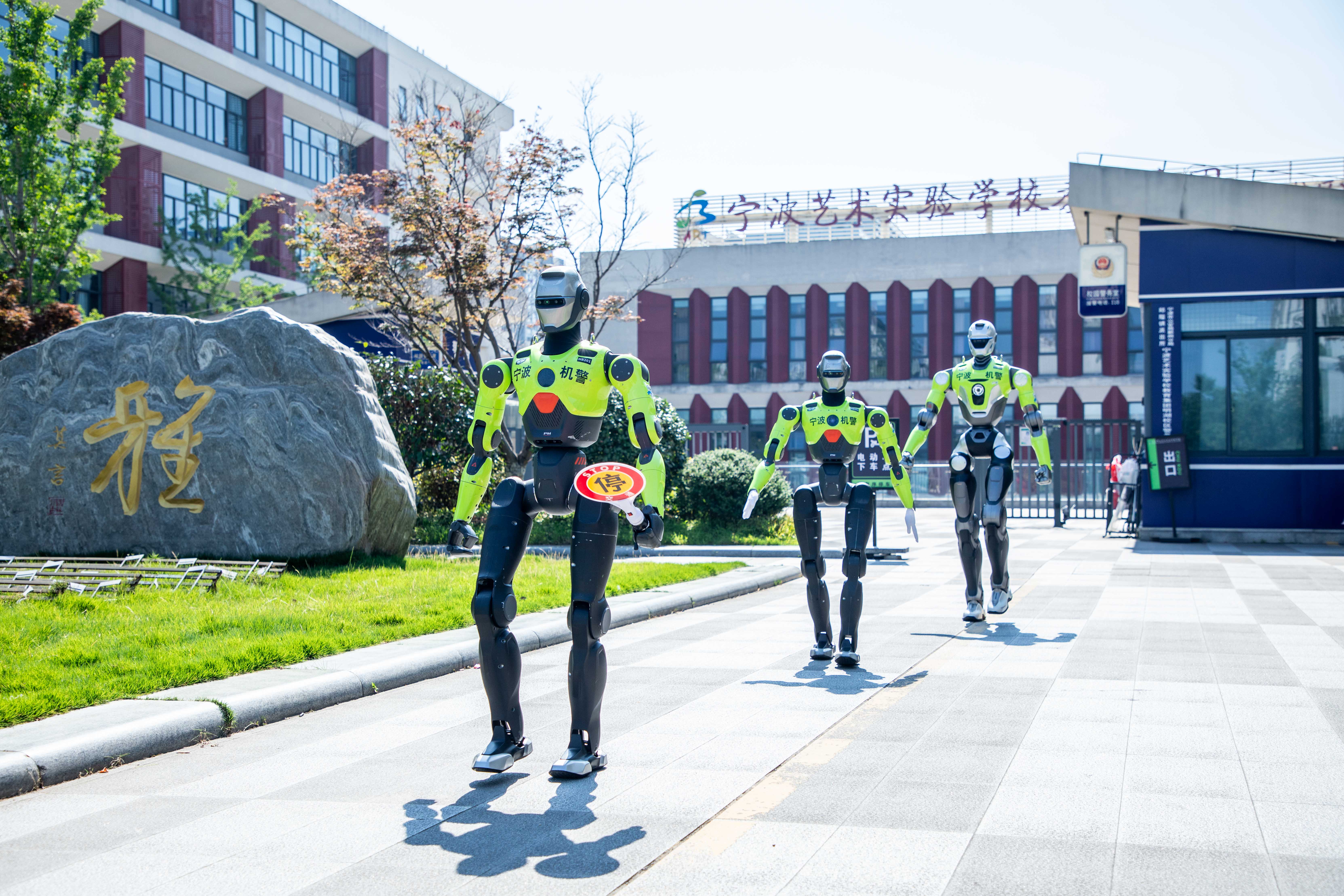
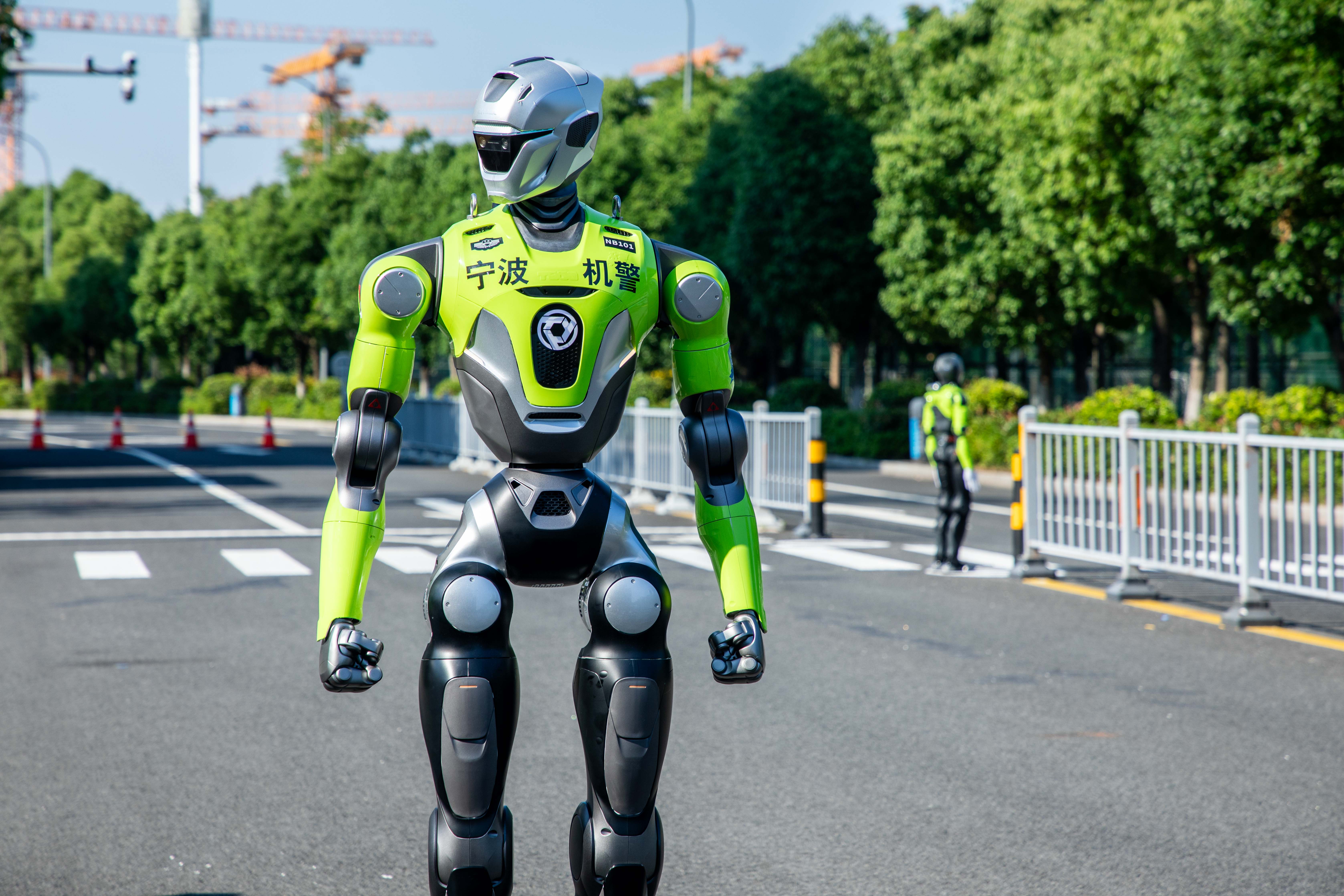
On June 1, the school guard robot matrix developed by Duolun Technology officially debuted at the Ningbo Art Experimental School Education Group. Through a coordinated "management-protection-enforcement" trinity duty model, the system establishes an intelligent safety line for students on their way to and from school.
Innovative Solutions to Campus Safety Governance Challenges
In recent years, traditional parent-led school guard programs have increasingly deviated from their original intent, evolving from voluntary service into implicit mandatory tasks. This has drawn the attention of National People's Congress deputies, who have proposed clarifying the boundaries of responsibilities between home and school, freeing parents from "involuntary" duties—a position that aligns with the Ministry of Education's policy against compulsory assignments.
Meanwhile, during peak commuting hours, campus entrances experience concentrated pedestrian and vehicle flows. Illegal parking and road encroachment pose significant safety risks. Traditional manual guarding suffers from limited coverage and high repetitive workload, making it difficult to meet the demands of refined, routine management.
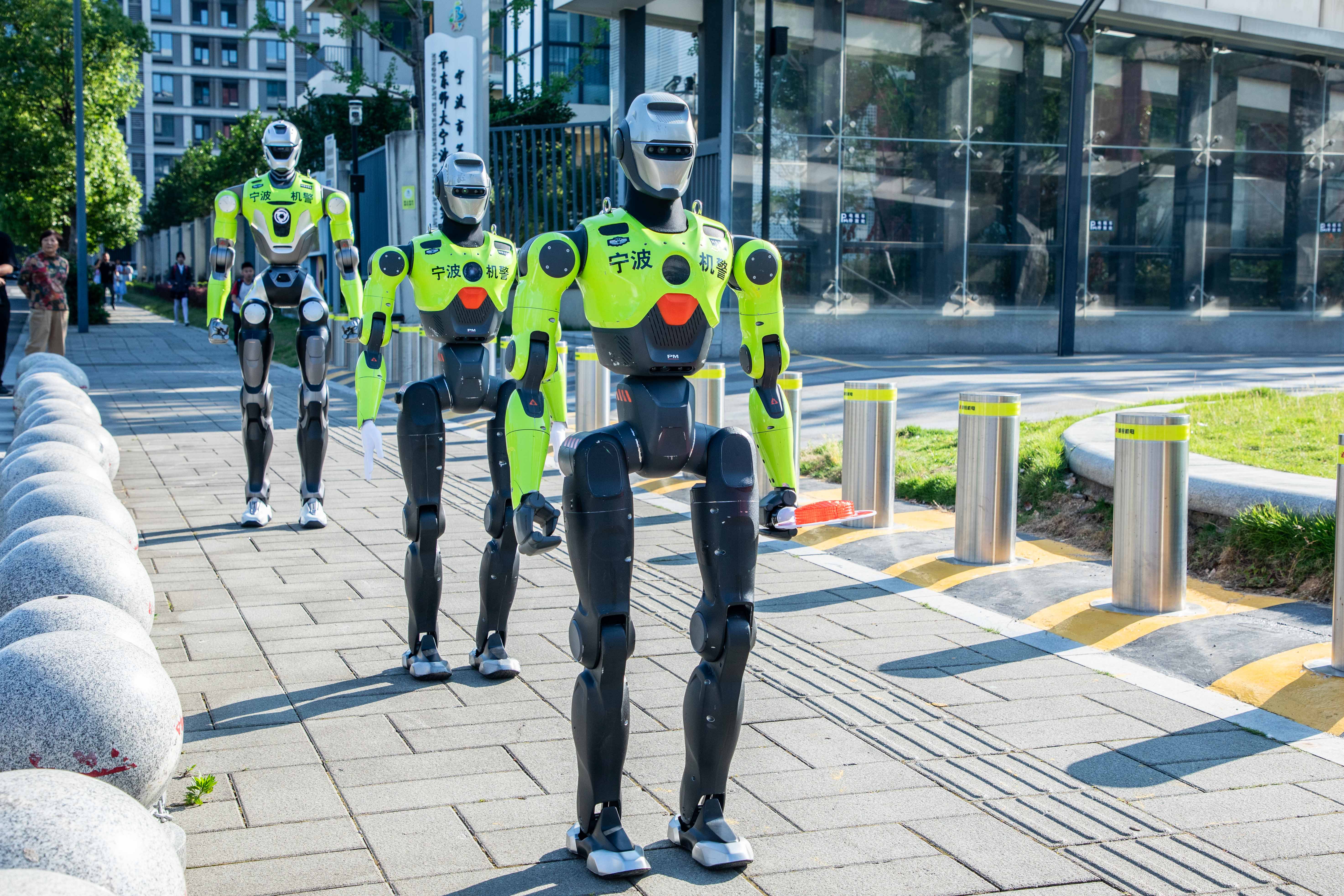
Against this backdrop, drawing on three decades of smart transportation expertise and robotics technology, Duolun Technology has launched its campus guard robot solution. The robot matrix's deployment at Ningbo campuses represents a deep integration of technology with real-world scenarios. By leveraging innovation to enhance efficiency and address governance challenges, it offers a replicable model for campus traffic management nationwide.
Campus Guardians with a Human Touch
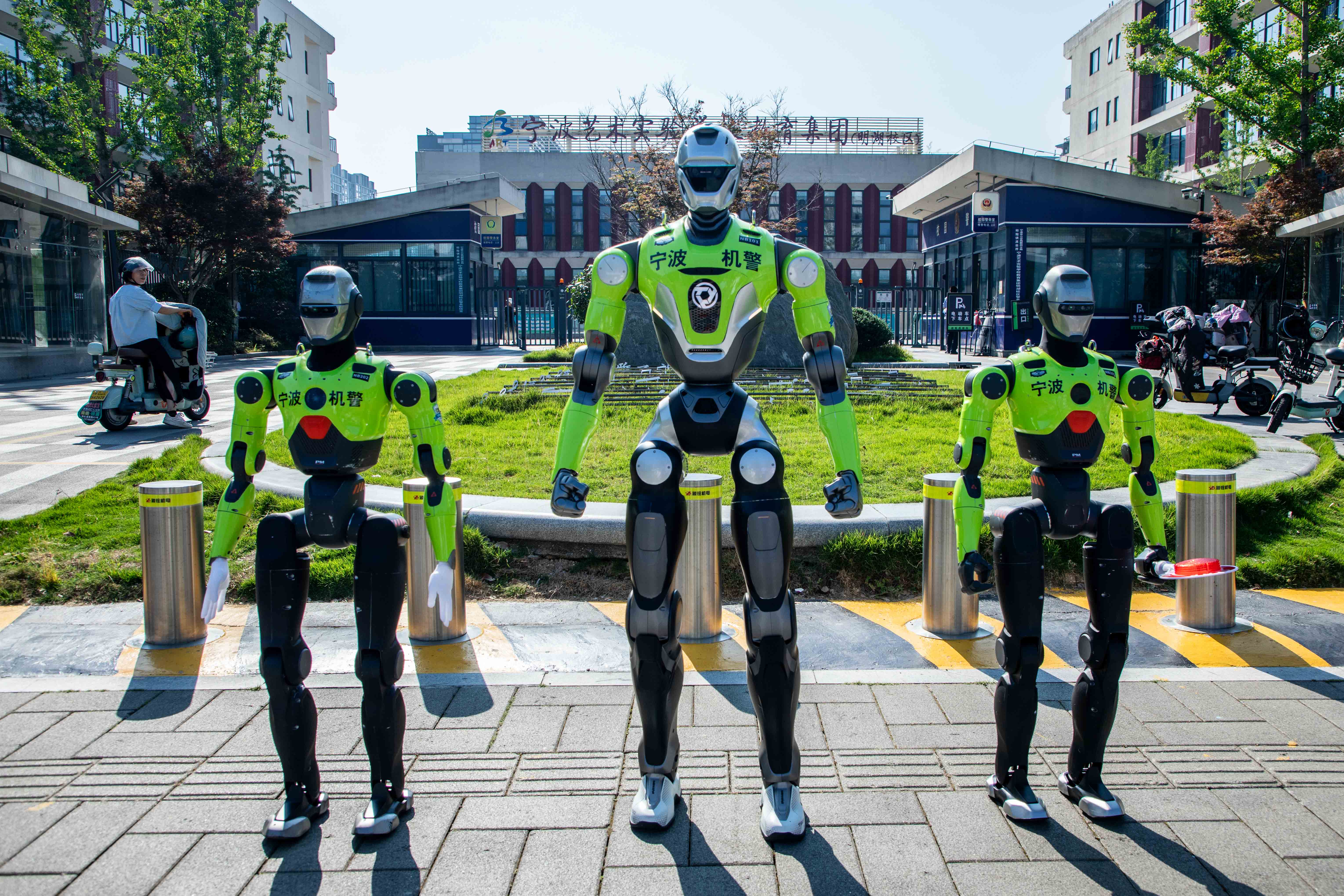
The three guard robots deployed at Ningbo Art Experimental School were named "Yongbao" through a creative naming contest among students and a public vote. The name, a homophone for "embrace" in Chinese, symbolizes the use of technology to embrace safety and protect Ningbo's children.
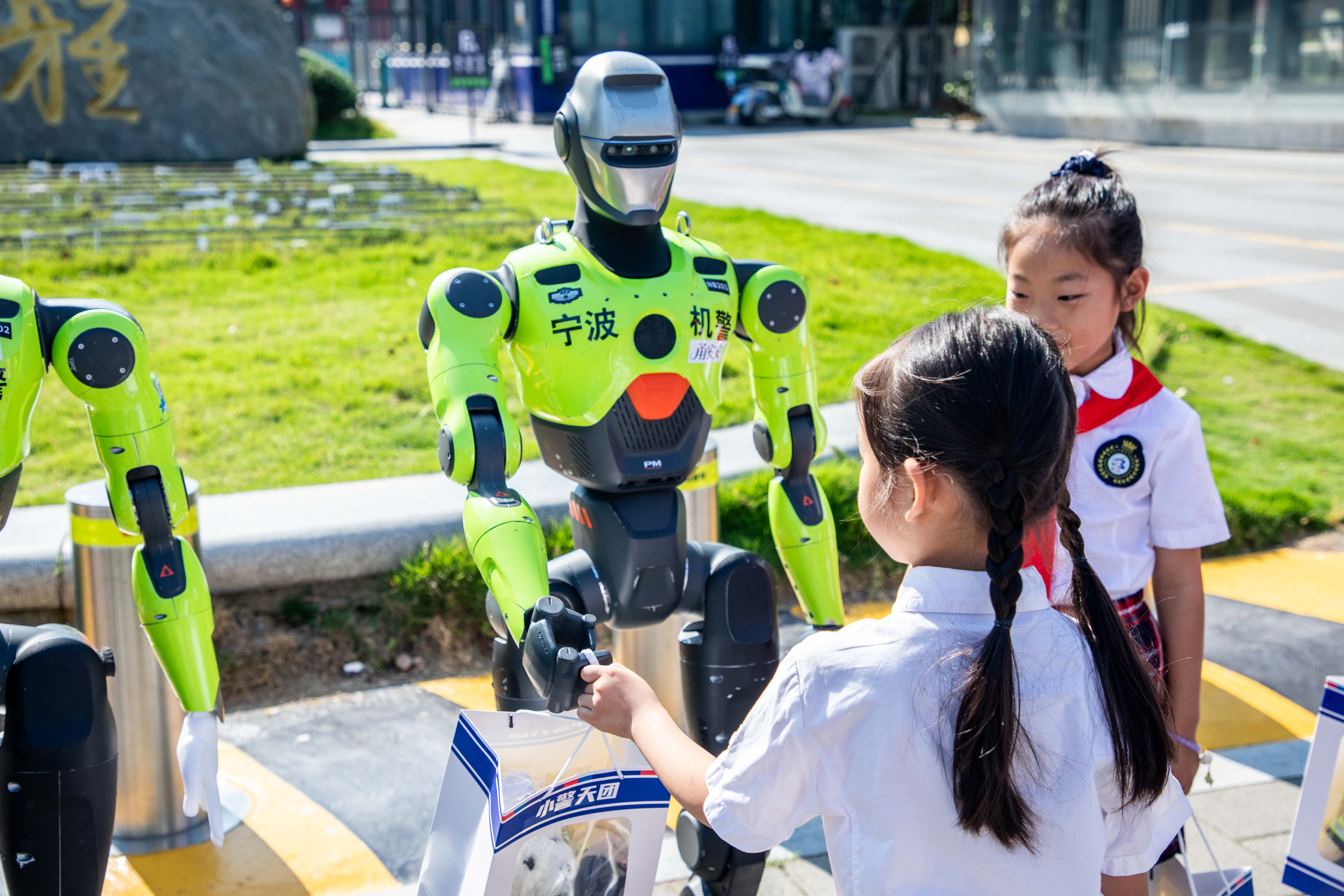
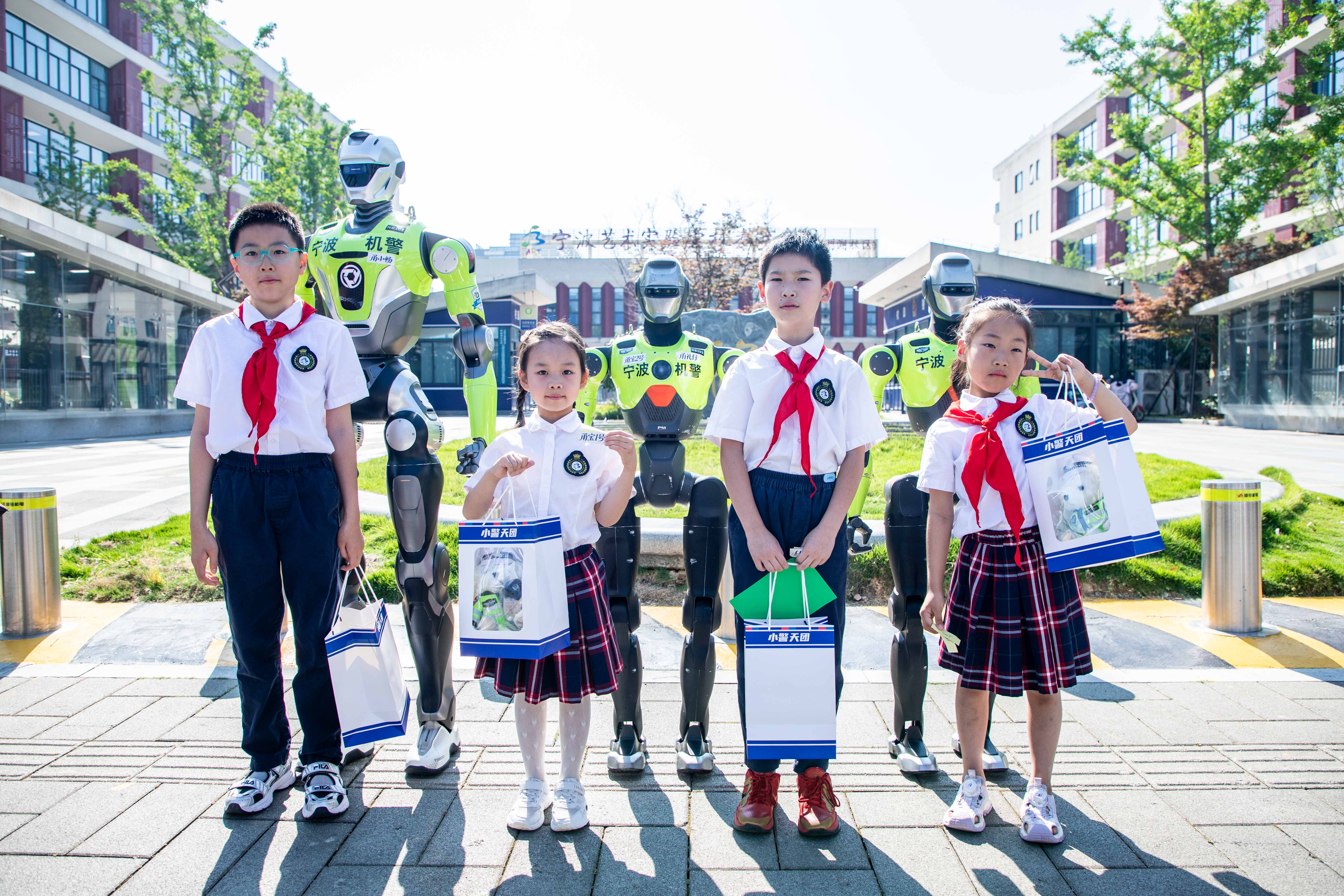
During the naming ceremony, four students who won the preliminary vote received awards from the robots and affixed custom name tags onto their new guardians. On Children's Day, the blend of youthful creativity and intelligent technology infused warmth and approachability into the safety mission, making the robots more relatable to students and the campus community.
Building a "Management-Protection-Enforcement" Intelligent Duty System
The deployed robots operate in a multi-robot collaborative model, with each robot stationed in designated areas based on functional zones—non-motorized vehicle passage, crosswalk protection, and motor vehicle warning. The three robots work in coordination to establish a "management, protection, enforcement" three-dimensional protection system.
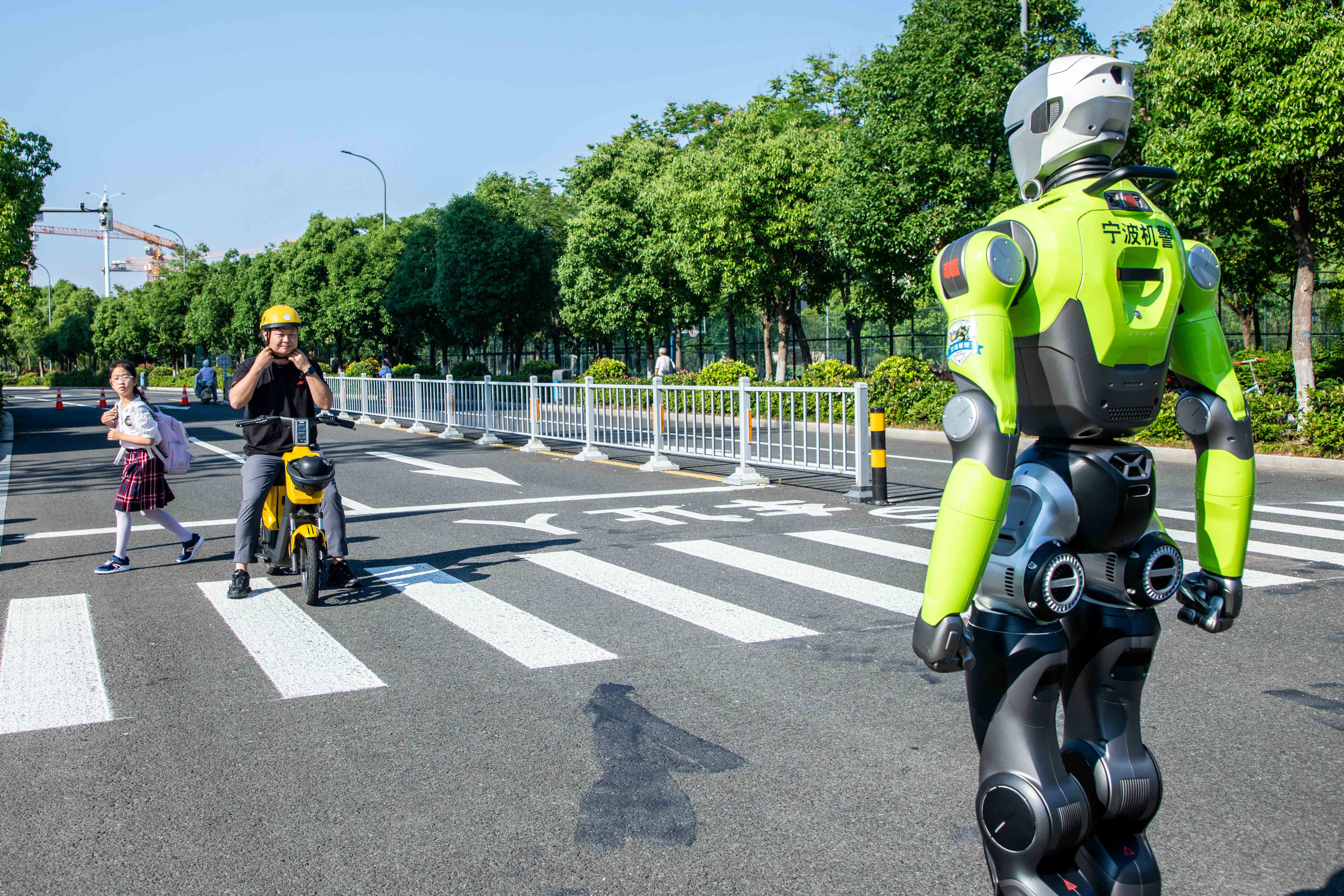
"Management" Robot: Combining patrol with stationary duty, it accurately identifies violations such as failure to wear helmets and wrong-way riding, providing real-time voice and gesture-based advisories and safety education to regulate traffic order.
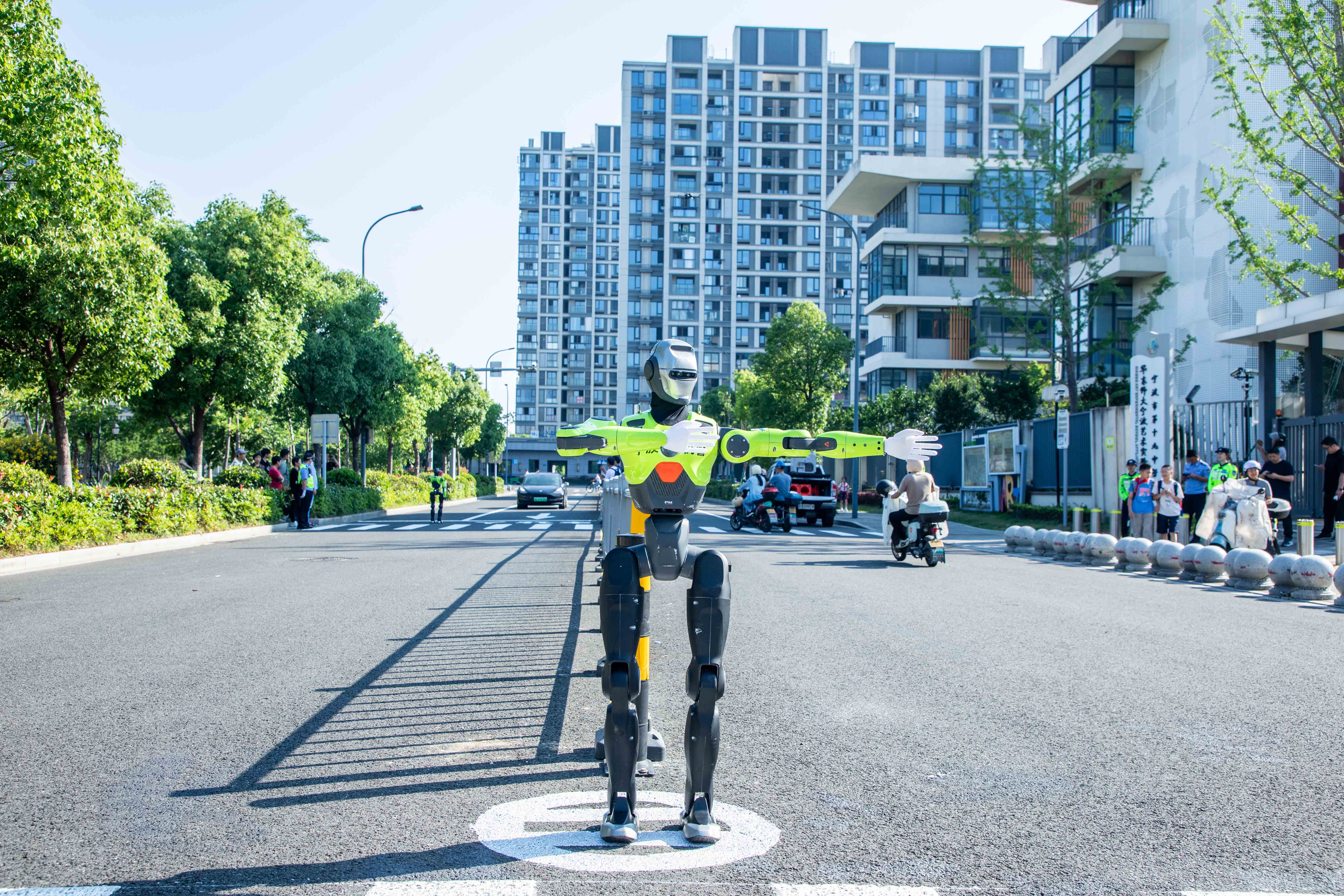
"Protection" Robot: Stationed in the middle of crosswalks, it leverages its embodied intelligence and autonomous command capabilities to guide and accompany students safely across the street. It can also direct traffic at fixed points, coordinating pedestrian and vehicle movements to ensure both safety and efficiency.
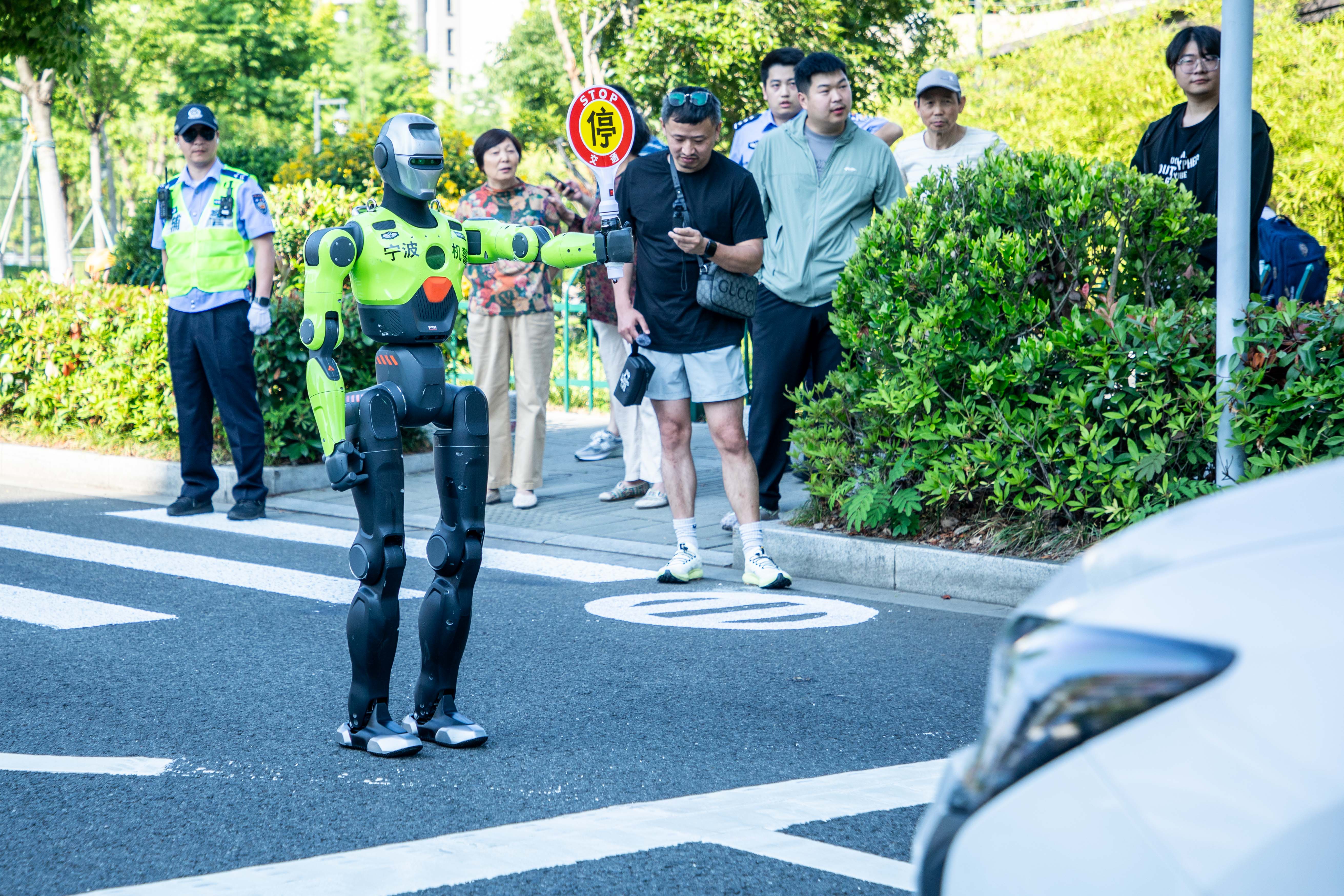
"Enforcement" Robot: Positioned across from the school gate in the motor vehicle lane, it directs vehicles to slow down and yield. Using AI algorithms, it identifies illegally parked vehicles and guides drop-off vehicles to stop and move quickly. In the future, it will also incorporate emergency monitoring and video transmission to enable early risk detection and response.
During the morning peak hours, the three robots operate in formation, achieving integrated intelligent recognition, gesture commands, voice advisories, and risk alerts, upgrading traditional manual monitoring to intelligent peak-hour duty.
Closing the Loop Between Education and On-Site Protection
Prior to the launch, on May 18, the robots had already visited Ningbo Art Experimental School for interactive safety education sessions, featuring immersive activities, standard gesture demonstrations, and quizzes to create an engaging safety learning experience.
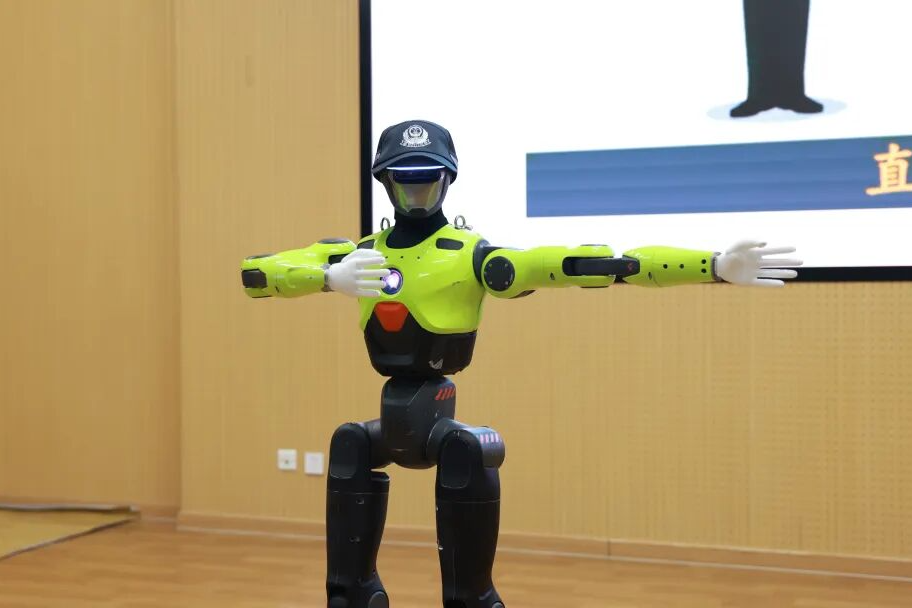
The June 1 deployment successfully bridged education and practice, establishing a closed loop from "classroom education" to "on-site protection." This transforms campus traffic safety from one-off instruction to ongoing, targeted protection, ensuring safety awareness and physical safeguards accompany students throughout their daily commute.
Driving Long-Term Upgrades in Campus Traffic Safety
The successful deployment of Ningbo's intelligent school guard solution represents a significant practice of Duolun Technology's smart traffic management robot solutions in the campus safety vertical. It also marks an extension of the company's application scenarios from major urban thoroughfares to campus micro-environments.
By establishing a "classroom education + on-site protection" closed loop, this solution breaks through the limitations of traditional campus safety education—one-dimensional formats, insufficient staffing, and limited coverage periods—elevating campus traffic safety governance from reactive control to proactive prevention, and from sporadic lessons to continuous protection.
Looking ahead, Duolun Technology will continue to deepen its integration of "smart transportation + embodied intelligence," using the campus safety scenario as a key entry point. The company will further optimize product features, expand applications, and deliver intelligent, refined, and sustained traffic management solutions. Through innovation, Duolun remains committed to safeguarding youth travel safety and advancing the high-quality development of urban public safety governance.



 苏公网安备 32011502011140号