




I. Traffic Signal Controller
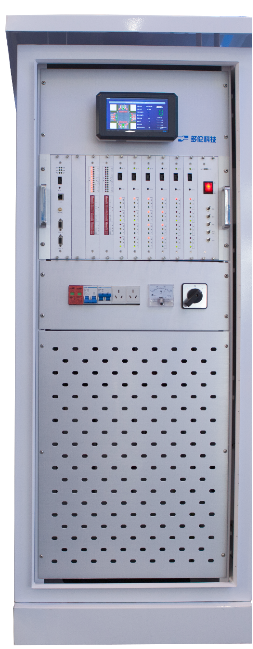
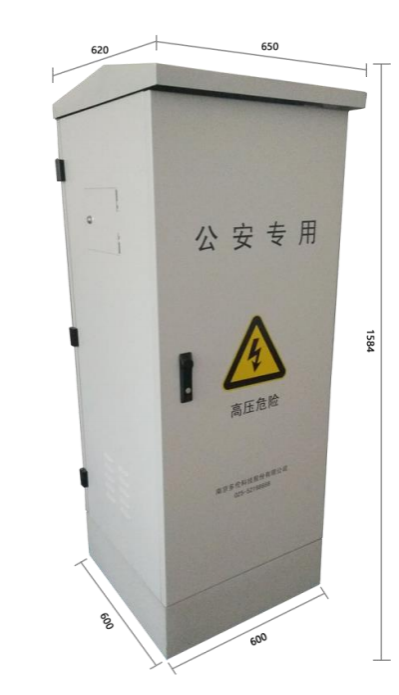
Our traffic signal controller complies with the national standard Road Traffic Signal Controller (GB25280-2016) and adheres to the architectural framework of the data communication protocol outlined in GB/T 20999-2017, Data Communication Protocol Between Traffic Signal Controllers and Central Computers.
The system features a fully modular (plug-in unit) design, enabling rapid on-site replacement of components. These include a standard 19-inch signal control mainframe, outdoor 19-inch cabinet, wiring backplane, duty and manual control terminals, remote control terminals, and lighting equipment.
The controller supports a comprehensive range of operational modes, such as: networked control and communication, isolated intersection optimization control, public transit signal priority, actuated control, tidal / Reversible lane control, overflow control, cableless coordinated control, multi-time-of-day fixed-time control, pedestrian crossing control and manual control.
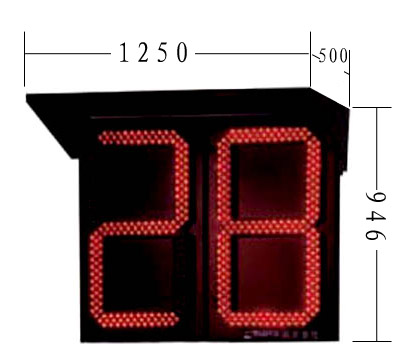
II. Traffic Signal Lamps / Countdown Timers
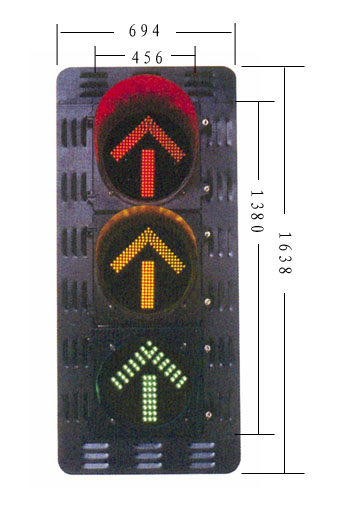
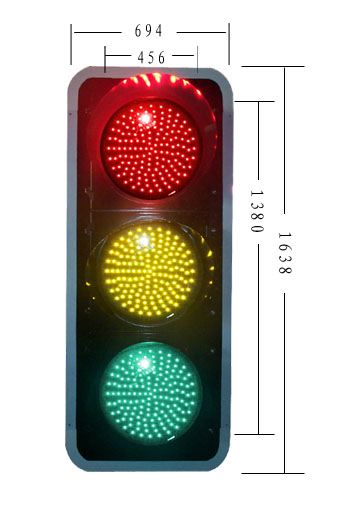
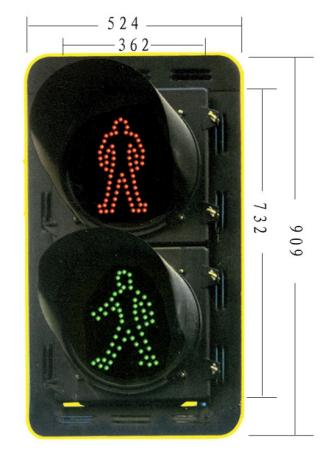
Road traffic signal lamps are vital tools for enhancing road traffic management, reducing accidents, improving road efficiency, and optimizing traffic conditions. Suitable for intersections such as crossroads, T-junctions, and roundabouts, they are controlled by traffic signal controllers to guide vehicles and pedestrians safely and orderly.
Our company's LED traffic signal lamps are developed using high-brightness LEDs, offering significant advantages including low power consumption, high luminosity, and an extended operational lifespan.
III. Intersection Auxiliary Signal Screens
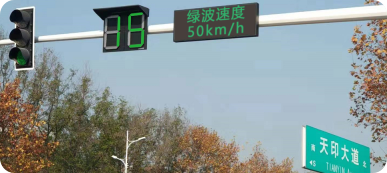
Intersection Auxiliary Signal Screens operate in real-time synchronization with the main traffic signals, displaying matching red and green indications. Designed to enhance urban intersection navigation while prioritizing safety, these screens provide various information services to road users. These include dynamic guidance for left-turn or straight-through movements, entry instructions for waiting areas, green wave speed advisories, countdown displays, notifications for traffic incidents, and public awareness messages. This technology significantly improves intersection efficiency and elevates the overall intelligence of urban traffic management services.

IV. Dynamic Lanes
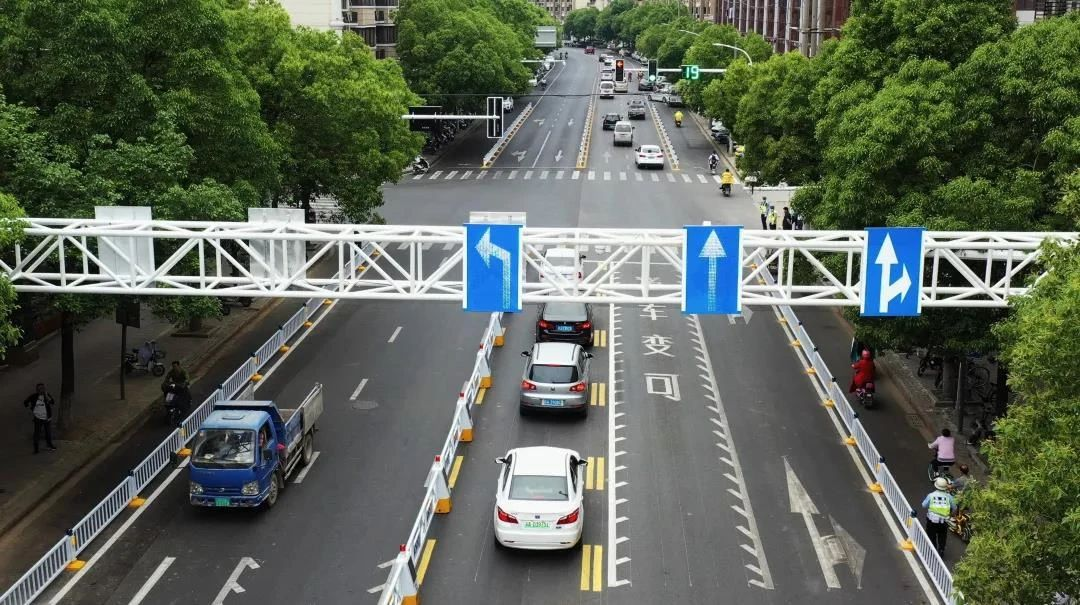
This solution addresses key urban traffic bottlenecks by integrating traffic signal control, dynamic lane signs, and movable barriers. It dynamically adjusts lane functionality to maximize the use of existing road infrastructure, alleviate congestion, and enhance both traffic efficiency and safety.
Key Benefits:
1. Adapts to Tidal Flow: Effectively resolves one-direction congestion issues by flexibly switching lane directions to accommodate imbalanced traffic flows, such as the morning inbound and evening outbound rush-hour patterns.
2. Optimizes Existing Resources: Increases road capacity through intelligent lane allocation, eliminating the need for costly and land-intensive road expansion or widening projects.
3. Improves Intersection Order and Safety: Clearly defined lane directions help regulate traffic flow, minimizing unpredictable lane changes, queue-jumping, and the potential for accidents.
V. Safety Sentinel
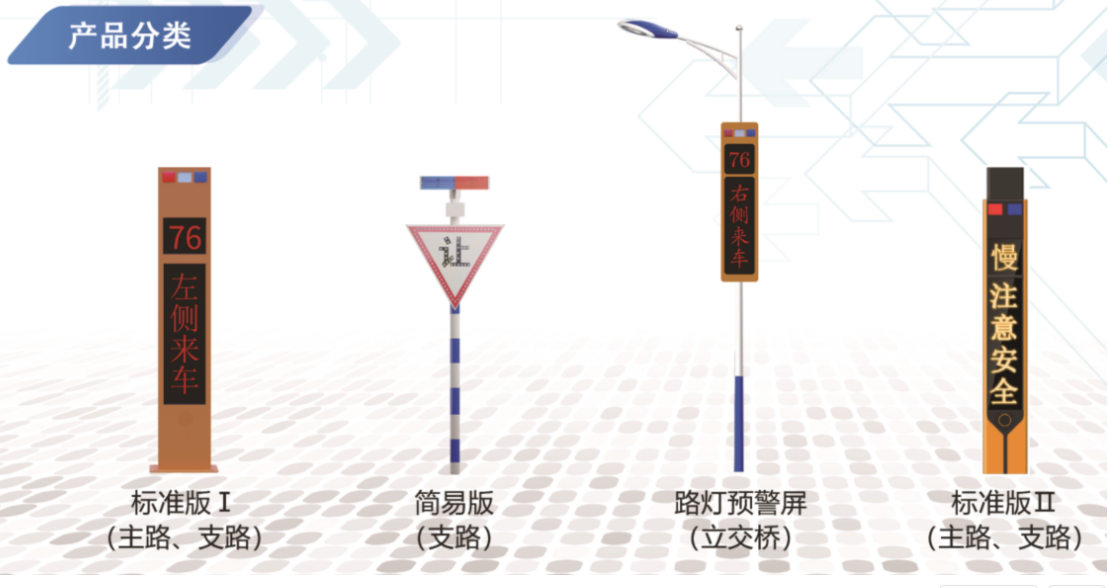
The Traffic Safety Sentinel system is primarily deployed on national and provincial highways passing through townships, as well as in remote rural areas. It is installed at unsignalized intersections known for limited visibility and a high incidence of accidents.
Utilizing radar detection technology, the system operates 24/7 to identify vehicles, non-motorized vehicles, and pedestrians approaching the intersection. It then issues audible and visual warnings—through LED text displays and voice broadcasts—to all directions. This proactive, two-way alert mechanism effectively mitigates the risk of traffic accidents caused by obstructed sight lines or driver inattention.
VI. Edge Computing
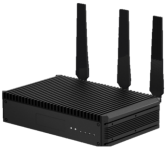
Leveraging a Cloud-Edge-Device technological architecture, our system integrates edge computing equipment to connect various terminal devices at intersections, such as electronic police cameras and microwave traffic flow detectors from all directions. By utilizing AI video analytics and high-precision digital maps, the system performs real-time identification of six core intersection elements: pedestrians, vehicles, road infrastructure, traffic incidents, violations, and safety conditions.
This capability directly supports the objectives of safety, orderliness, smooth traffic flow, and enhanced service. It enables comprehensive situational awareness at intersections, covering vehicle attributes, traffic flow, incidents, violations, and safety metrics. The solution facilitates the development of smart intersections and establishes a unified, cloud-centralized situational awareness system. Through digital twin technology, it provides a real-time simulated representation of the intersection's operational status.



 苏公网安备 32011502011140号